Comprehensive Research Guide to the GHK-Cu Peptide: The Science of Copper-Binding Regeneration
When exploring the absolute cutting edge of regenerative medicine, advanced dermatology, and systemic cellular repair, few biochemical compounds offer the profound, foundational importance of the GHK-Cu Peptide. Discovered in 1973 by Dr. Loren Pickart, this specific tripeptide—composed of Glycine, Histidine, and Lysine—possesses a unique, high-affinity bond with copper (II) ions. It is not merely a cosmetic ingredient; it is a master signaling molecule that acts as a biological “reset button” for the human genome, fundamentally dictating the rate of wound healing, collagen synthesis, and DNA repair.
This comprehensive guide delves deeply into the biochemical science, structural mechanisms, and rigorous laboratory applications of the GHK-Cu Peptide, providing scientific professionals, longevity researchers, and dedicated biohackers with the critical data required to fully understand its vast physical potential. Whether your focus is investigating the reversal of age-related skin thinning, studying the profound impact of angiogenesis on hair follicle restoration, or exploring novel pathways for systemic organ repair, this specific high-purity formulation offers a highly reliable, heavily documented profile for rigorous scientific observation.
The Science of Gene Resetting: Why GHK-Cu is a Biological Masterpiece
To fully grasp the massive efficacy of this critical copper peptide, it is essential to trace its biological role in human youth. In our early twenties, the levels of the GHK-Cu Peptide in our blood are at their peak, ensuring our tissues can rapidly repair themselves after injury. However, as we age, these levels plummet by more than 60%. This catastrophic decline is a primary driver behind the loss of skin elasticity, the thinning of hair, and the overall slowing of the body’s regenerative capacity.
The most incredible scientific discovery regarding the GHK-Cu Peptide is its ability to modulate over 4,000 human genes. Research has shown that it effectively “flips the switch” on genes involved in tissue remodeling while simultaneously suppressing genes associated with inflammation and cancer progression. By artificially reintroducing this massive, high-purity signaling molecule into a biological system, scientists aim to literally return cells to a more youthful state of expression, forcing damaged tissues to rapidly regenerate as if they were decades younger.
What is the GHK-Cu Peptide? The Structural Science Behind the Tripeptide
At its core, the GHK-Cu Peptide is a naturally occurring copper-complexed tripeptide (Glycyl-L-histidyl-L-lysine:copper). Its molecular structure is uniquely designed to transport copper—a vital cofactor for several key enzymes—directly into the cells that need it most.
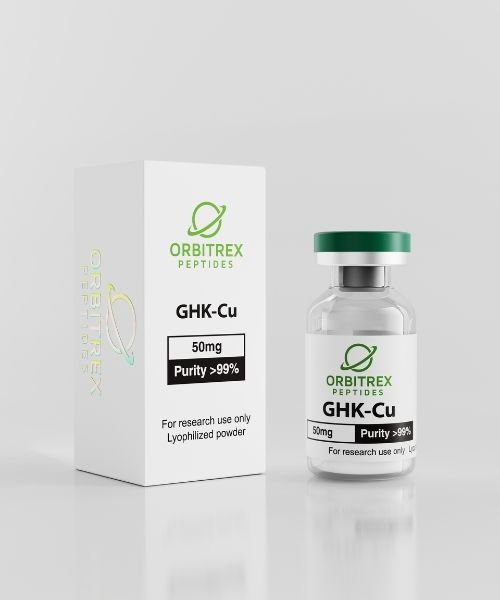
In terms of functional biology, the GHK-Cu Peptide works by binding to copper in the extracellular matrix and shuttling it across the cell membrane. Once inside, the copper is utilized by enzymes like lysyl oxidase (which builds collagen and elastin) and superoxide dismutase (which neutralizes free radicals). This specific “shuttling” mechanism is what makes GHK-Cu far more effective than simple copper supplements. In modern research environments and high-end longevity clinics, the compound is universally supplied as a highly stable, lyophilized (freeze-dried) powder, characterized by its distinct, vibrant blue color.
Pharmacokinetics: Absorption, Bioavailability, and Tissue Integration
Understanding the complex pharmacokinetic profile of this vital tripeptide is absolutely vital for properly structuring laboratory experiments, determining accurate dosing intervals, and understanding how it achieves its systemic results.
High Bioavailability and Systemic Distribution
The GHK-Cu Peptide is remarkably small and stable, which allows it to navigate the body’s internal environment with ease. When administered via subcutaneous injection in experimental models, the peptide exhibits incredibly rapid systemic absorption. Unlike larger proteins, the tripeptide can easily penetrate tissues and integrate into the extracellular matrix. Studies indicate that maximum active concentrations are typically reached within minutes, making it a highly rapid-acting compound for acute injury repair and massive anti-aging interventions.
Topical vs. Injectable Efficacy
While the GHK-Cu Peptide is famous for its topical application in premium skincare, researchers often utilize the injectable format for systemic tissue repair. The unique molecular structure allows for a “saturation” of the body’s copper-binding pathways, ensuring that the regenerative signals reach the internal organs, lungs, and skeletal system. This systemic approach is what allows for the profound, multi-organ benefits observed in long-term GHK-Cu studies.
The Mechanism of Action: How GHK-Cu Peptide Interacts with the Body
Understanding how this specific, targeted sequence exerts its profound skin-tightening and hair-growing effects requires a highly detailed dive into cellular biochemistry. Its mechanism of action is distinctly multifaceted, operating seamlessly across several biological systems simultaneously to force the body into an optimized state of repair.
1. Massive Stimulation of Collagen and Elastin
The primary, absolutely critical mechanism observed in dermatological research is the activation of fibroblasts. By flooding the system with the GHK-Cu Peptide, researchers can trigger a massive increase in the production of Type I and Type III collagen, as well as glycosaminoglycans like hyaluronic acid. This leads to a massive, systemic thickening of the skin, the removal of deep wrinkles, and a restoration of the “snap-back” elasticity characteristic of youthful tissue.
2. Supercharging Hair Follicle Regeneration
Beyond the skin, this tripeptide heavily targets the scalp. The GHK-Cu Peptide has been shown to increase hair follicle size and stimulate the production of new follicles by promoting angiogenesis (the growth of new blood vessels). This mechanism provides a massive biological unlock for researchers studying androgenetic alopecia and thinning hair, as it restores the nutrient supply to dormant follicles, forcing them back into the active growth (anagen) phase.
3. DNA Repair and Anti-Inflammatory Signaling
The compound successfully targets the body’s natural antioxidant defense system. By increasing levels of superoxide dismutase, the GHK-Cu Peptide protects cells from the oxidative damage caused by UV light and pollutants. This highly nuanced neuro-protective and immune-regulatory effect is exactly why the peptide is aggressively studied for its massive potential to completely eliminate “inflammaging,” radically improve wound healing times, and aggressively protect the body against severe age-related cellular decline.
Primary Research Applications in the Laboratory
The remarkably diverse, absolutely foundational biological activities of this molecule have led to a rapidly expanding array of high-level research applications. The baseline GHK-Cu Peptide formulation is particularly useful for exploring the following cutting-edge scientific avenues:
Reversing Skin Aging and Solar Damage
In the realm of aesthetic science, this sequence is considered the absolute gold standard for studying skin rejuvenation. Studies frequently focus on its capacity to aggressively reduce fine lines, hyperpigmentation, and skin laxity in animal and human models. Researchers utilize the GHK-Cu Peptide to observe how massive biochemical interventions can completely neutralize UV damage and restore youthful skin density without the use of harsh chemical peels or lasers.
Advanced Hair Growth and Scalp Health
Because of its unique, profound ability to supercharge the follicles, it acts as a profoundly powerful hair-restoration catalyst. Experimental models show that administering the massive sequence significantly improves hair count and thickness in subjects with thinning hair. Researchers deeply use the GHK-Cu Peptide molecule to map how the literal biological mechanics of hair growth can be actively maintained and protected through improved blood flow and protein synthesis.
Systemic Organ Repair and Lung Protection
Physical performance and organ health are deeply tied to the body’s ability to remodel tissue. Studies involving the GHK-Cu Peptide have deeply explored its unique ability to rapidly “reboot” compromised physical health, particularly in the lungs and liver. By massively protecting the cells from the stress of inflammation, it is continuously investigated as a critical, highly successful tool for violently accelerating recovery from chronic respiratory conditions and physically repairing the micro-damage caused by years of oxidative strain.
The Importance of High-Purity Synthesis in Laboratory Settings
In any rigorous, peer-reviewed scientific study or biohacking protocol, the sheer absolute quality of the primary compound directly dictates the absolute validity of the final results. Utilizing an ultra-high-purity GHK-Cu Peptide synthesis is entirely non-negotiable for serious clinical researchers and dedicated longevity optimizers.
Impurities in standard peptide manufacturing can heavily include uncomplexed copper ions or chemical byproducts left over from the synthesis process. If a laboratory or individual inadvertently utilizes a compromised, low-grade batch of the GHK-Cu Peptide, these invisible impurities can trigger massive, uncontrolled immune responses or heavily skew quantitative regenerative data, rendering months of incredibly expensive anti-aging research completely invalid.
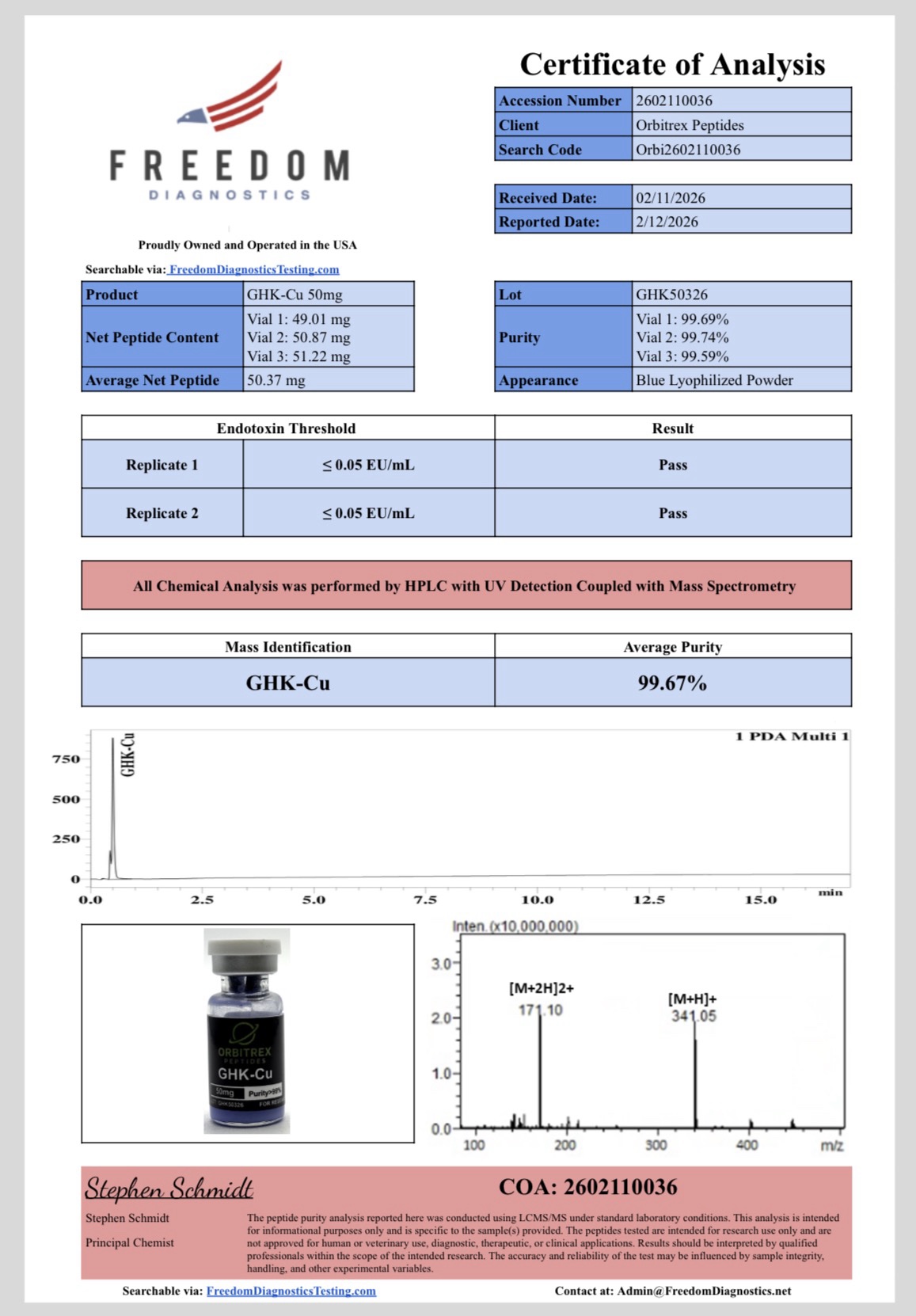
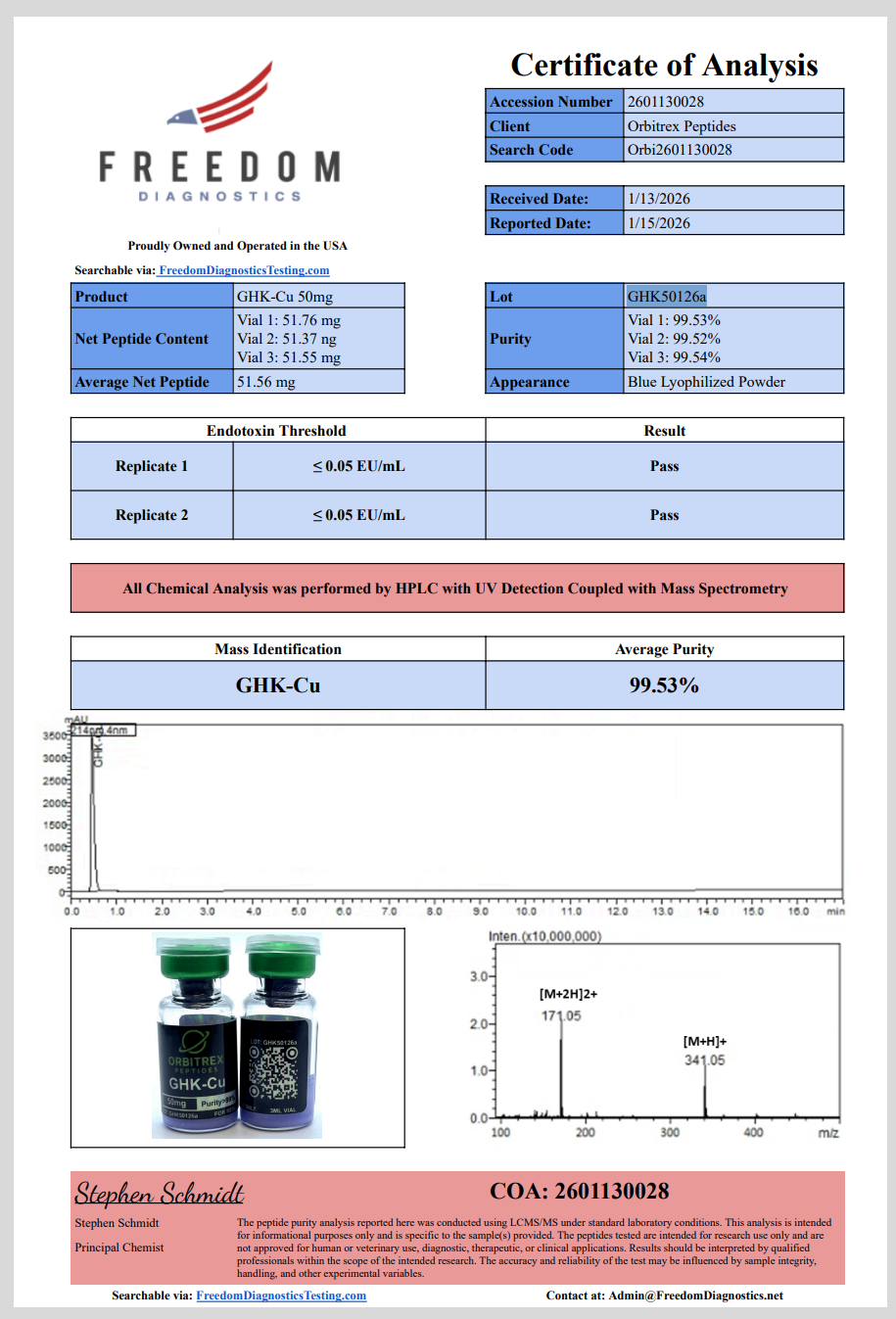
High-grade research compounds must ideally boast an absolute purity of strictly >99%, independently verified by third-party High-Performance Liquid Chromatography (HPLC) and Mass Spectrometry (MS). This rigorous, massive analytical testing guarantees that the biological activity observed during testing is directly, undeniably attributable to the pure, unadulterated tripeptide sequence and absolutely nothing else.
Preparation, Reconstitution, and Storage Protocols
Meticulous, proper handling is profoundly, absolutely critical to maintaining the delicate molecular stability of this copper-binding tripeptide. Because the product is securely delivered as a stable, highly sensitive lyophilized powder, researchers must strictly follow clinically sterile protocols for reconstitution and long-term storage.
Standard Reconstitution Protocol
To adequately prepare the highly potent GHK-Cu Peptide vial for clinical application, it must be carefully reconstituted using a sterile solvent, almost universally bacteriostatic water or sterile saline.
-
Allow the sealed vial to organically reach room temperature before opening to completely prevent massive condensation from forming inside the glass.
-
Swab the protective rubber stopper vigorously with a 70% isopropyl alcohol wipe to ensure a completely sterile injection site.
-
Carefully inject the calculated volume of bacteriostatic water, specifically aiming the liquid stream against the inner glass wall.
-
Allow the vibrant blue powder puck to dissolve gently and naturally. Do not shake the vial vigorously; instead, roll the glass gently between your fingers until the complex solution is completely clear and beautifully transparent blue.
Long-Term Storage Guidelines
-
Lyophilized Powder: Before liquid reconstitution, the stable freeze-dried solid can be safely stored at room temperature for several weeks without any significant degradation. For extensive long-term storage (spanning several months to years), GHK-Cu Peptide vials should be strictly kept in a dark laboratory freezer at -20°C to massively preserve indefinite structural integrity.
-
Reconstituted Solution: Once successfully mixed with bacteriostatic water, the molecular structure becomes highly susceptible to rapid degradation from ambient heat and direct UV light exposure. The active liquid solution must be kept consistently refrigerated at 2°C to 8°C (36°F to 46°F) and should generally be completely utilized within 14 to 21 days to ensure maximum biological efficacy and complete, absolute sterility.
Frequently Asked Questions About GHK-Cu Research
How does this differ from standard copper supplements? The highly potent GHK-Cu Peptide provides an unparalleled, clinical-grade baseline for copper utilization that simple oral supplements cannot match. While oral copper is often poorly absorbed and can cause stomach upset, the tripeptide format is a specialized delivery system that carries the copper directly into the cell and ensures it is used specifically for regenerative gene expression, rather than just floating in the bloodstream.
Is the peptide structurally stable during standard international transit? Yes, in its lyophilized, freeze-dried form, the tripeptide is remarkably chemically robust. The advanced freeze-drying process completely removes the moisture that traditionally facilitates rapid molecular degradation. While it is always best practice to immediately store the GHK-Cu Peptide in a cool, absolutely dark environment upon arrival, standard transit times at ambient temperatures do not heavily compromise the strict integrity of the powder.
Can it be used in conjunction with other research peptides? In highly advanced, multi-variable longevity study protocols, the GHK-Cu Peptide is frequently and massively successfully researched alongside other compounds, such as BPC-157 (for massive soft-tissue repair synergy) or NAD+ (for absolute cellular energy). Researchers closely monitor these specific, complex combinations to document massive potential synergistic effects on the skin, the hair, and broader, absolute biological optimization pathways.
Conclusion: The Absolute Future of Regenerative Science
The ongoing, massive global exploration of copper-binding tripeptides represents the absolute cutting edge of modern biology and severe anti-aging medicine, and the GHK-Cu Peptide remains at the very forefront of this massive biochemical scientific revolution. From its profound, heavily documented ability to perfectly regulate gene expression through gene resetting to its incredible dermatological and hair-regenerative capabilities, it offers clinical researchers a highly reliable, incredibly potent, and endlessly fascinating compound for biochemical study.
By ensuring your laboratory sources an ultra-high-purity product and adheres strictly to rigorous, sterile handling protocols, you can confidently explore the vast, absolutely untapped potential of this remarkable sequence. As advanced dermatology and longevity research methodologies violently evolve and biological mapping technology improves, the massive empirical data generated from GHK-Cu Peptide studies will undoubtedly continue to heavily unlock profound new understandings of tissue remodeling, absolute cellular defense, and ultimate human longevity.
(Disclaimer: All information provided regarding this product is strictly for educational and informational purposes. This product is sold exclusively for laboratory and research use. It is not intended for human consumption, diagnosis, treatment, or cure of any disease or condition.)